Tuesday, 8 April 2025

WHO DECIDES? YOU OR YOUR WIFE 🤔😀


8 Apr 2025 - thoughts

Your BRAIN decides who to appreciate 

Your TIME decides who you meet in your life

Your LIKING decides what you want to eat today

Your SENSE decides which dress you wear 

Your PASSION decides which way you go

Your DESIRE decides your action

Your ACTION decides your future

Your HABIT decides your health

Your HEALTH decides whether you live long

Your HEART decides who you want in your life

Your BEHAVIOUR decides who will stay in your life

Your WORK decides whether you get a reward


And


Your ANGER doesn't accept defeat.

..

..

..

..

..

..

..

Now just replace the capitalised word with "WIFE" and read. 🤔


After replacing.. you can't say anything, as you don't have the right to say. Your WIFE decides what you have to say 😀


ps: I was reading an article on the path to success, and this creation took birth. remember- this is once you get married.

*** 


ನಿಮ್ಮ ಮೆದುಳು (BRAIN) ಯಾರನ್ನು ಮೆಚ್ಚಬೇಕೆಂದು  
ನಿಮ್ಮ ಸಮಯ (TIME) ನಿಮ್ಮ ಜೀವನದಲ್ಲಿ ಯಾರನ್ನು ಭೇಟಿಯಾಗುತ್ತೀರಿ 
ನಿಮ್ಮ ಇಷ್ಟಗಳು (LIKING) ಇಂದು ನೀವು ಏನನ್ನು ತಿನ್ನಲು ಬಯಸುತ್ತೀರಿ 
ನಿಮ್ಮ ಪ್ರಜ್ಞೆ (SENSE) ನೀವು ಯಾವ ಉಡುಪನ್ನು ಧರಿಸುತ್ತೀರಿ 
ನಿಮ್ಮ ಭಾವೋದ್ರೇಕ (PASSION) ನೀವು ಯಾವ ಮಾರ್ಗದಲ್ಲಿ ಹೋಗುತ್ತೀರಿ 
ನಿಮ್ಮ ಆಸೆ (DESIRE) ನಿಮ್ಮ ಕಾರ್ಯವನ್ನು 
ನಿಮ್ಮ ಕಾರ್ಯ (ACTION) ನಿಮ್ಮ ಭವಿಷ್ಯವನ್ನು 
ನಿಮ್ಮ ಅಭ್ಯಾಸ (HABIT) ನಿಮ್ಮ ಆರೋಗ್ಯವನ್ನು 
ನಿಮ್ಮ ಆರೋಗ್ಯ (HEALTH) ನೀವು ಹೆಚ್ಚು ಕಾಲ ಬದುಕುತ್ತೀರಾ
ನಿಮ್ಮ ಹೃದಯ (HEART) ನಿಮ್ಮ ಜೀವನದಲ್ಲಿ ಯಾರನ್ನು ಬಯಸುತ್ತೀರಿ 
ನಿಮ್ಮ ನಡವಳಿಕೆ (BEHAVIOUR) ನಿಮ್ಮ ಜೀವನದಲ್ಲಿ ಯಾರು ಉಳಿಯುತ್ತಾರೆ 
ನಿಮ್ಮ ಕೆಲಸ (WORK) ನಿಮಗೆ ಬಹುಮಾನ ಸಿಗುತ್ತದೆಯೇ 

......ಎಂದು ನಿರ್ಧರಿಸುತ್ತಾ_🤔

ಮತ್ತು

ನಿಮ್ಮ ಕೋಪ (ANGER) ಸೋಲನ್ನು ಒಪ್ಪಿಕೊಳ್ಳುವುದಿಲ್ಲ.

.. 
.. 
.. 
.. 
.. 
.. 
..
..
..
..
..
..
..

ಈಗ ದಪ್ಪ ಅಕ್ಷರದಲ್ಲಿರುವ ಪದಗಳ ಸ್ಥಾನದಲ್ಲಿ "ಪತ್ನಿ" (WIFE) ಎಂಬ ಪದವನ್ನು ಬದಲಿಸಿ ಓದಿ. 🤔

ಬದಲಾಯಿಸಿದ ನಂತರ... ನೀವು ಏನನ್ನೂ ಹೇಳಲು ಸಾಧ್ಯವಿಲ್ಲ, ಏಕೆಂದರೆ ನಿಮಗೆ ಹೇಳುವ ಹಕ್ಕು ಇಲ್ಲ. ನೀವು ಏನನ್ನು ಹೇಳಬೇಕೆಂದು ನಿಮ್ಮ ಪತ್ನಿ ನಿರ್ಧರಿಸುತ್ತಾಳೆ. 😀

P.S.: ನಾನು ಯಶಸ್ಸಿನ ಮಾರ್ಗದ ಕುರಿತು ಒಂದು ಲೇಖನವನ್ನು ಓದುತ್ತಿದ್ದೆ, ಮತ್ತು ಈ ಲೇಖನ ಜನ್ಮ ತಾಳಿತು.
***


end- created imagination/thoughts documented ಸಂಟೈಂ ಇನ್ April 2025 by ಸುರೇಶ್ ಹುಲಿಕುಂಟಿ

.


go back to... 
    click--> LINKS TO ARTICLES 

...

Sunday, 6 April 2025

FLASH MOB PARTY 🤔😀


our home in Allen, Texas

6 Apr 2025 - recollections

A 'Flash Mob' party is a type of surprise public performance where a group of people, coordinated through social media or other means, suddenly assemble in a crowded area, to perform a synchronised activity, like dancing or singing, and then quickly disperse. The performance is usually brief.

Flash mob parties can be organised for various occasions, such as Birthday celebrations, Weddings, Anniversaries, Corporate events or Public awareness campaigns.

The surprise element and the energy of the performance make flash mob parties a unique and memorable experience for both the participants and the audience.

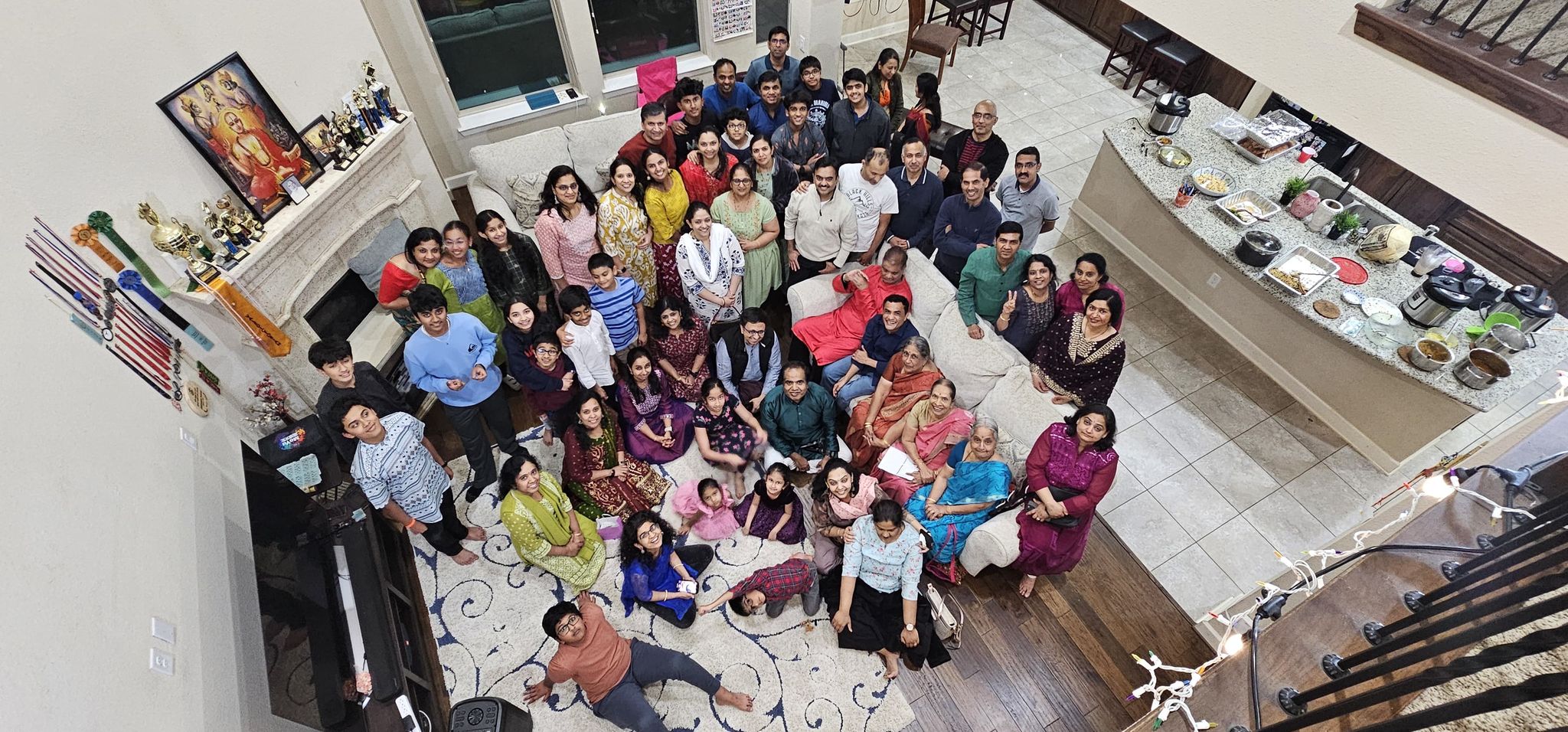
My daughter, Chaitra Rao, extended a spontaneous invitation to the VipraVrinda members to gather at her home on Friday night, the April 4, 2025. Although it was short notice, most members attended and made it a potluck dinner to share the burden. The highlight of the evening was a surprise 'flash mob' sing-along moment, a video clip of which is attached here. Chaitra had spontaneously taught the group this song/stotra during the outings, a fortnight before this gathering. The featured stotra was the beautiful  "Balakrishna Ashtakam" - ನೀಲಯಾ ಕುಚೇಲ ಮೌನಿ ಪಾಲಿತಂ (the blue one who protected silent Kuchela with compassion)

Typically, when we receive a video on WhatsApp, we play it for about 20 seconds before skipping to the end. However, I'm confident that once you start watching this video, you'll be drawn in and want to keep watching, await for the next group to start singing, ultimately viewing it from start to finish.


**

ಫ್ಲಾಶ್ ಮಾಬ್ ಪಾರ್ಟಿ

'ಫ್ಲಾಶ್ ಮಾಬ್' ಪಾರ್ಟಿ ಎನ್ನುವುದು ಒಂದು ರೀತಿಯ ಆಶ್ಚರ್ಯಕರ ಸಾರ್ವಜನಿಕ ಪ್ರದರ್ಶನವಾಗಿದೆ. ಇದರಲ್ಲಿ ಒಂದು ಗುಂಪು, ಸಾಮಾಜಿಕ ಮಾಧ್ಯಮ ಅಥವಾ ಇತರ ಮಾರ್ಗಗಳ ಮೂಲಕ ಸಂಯೋಜಿಸಲ್ಪಟ್ಟು, ಇದ್ದಕ್ಕಿದ್ದಂತೆ ಜನನಿಬಿಡ ಪ್ರದೇಶದಲ್ಲಿ ಒಟ್ಟುಗೂಡುತ್ತದೆ. ನಂತರ ನೃತ್ಯ ಅಥವಾ ಹಾಡುವಿಕೆಯಂತಹ ಸಿಂಕ್ರೊನೈಸ್ ಮಾಡಿದ ಚಟುವಟಿಕೆಯನ್ನು ಪ್ರದರ್ಶಿಸಿ, ತಕ್ಷಣ ಚದುರಿಹೋಗುತ್ತದೆ. ಈ ಪ್ರದರ್ಶನವು ಸಾಮಾನ್ಯವಾಗಿ ಸಂಕ್ಷಿಪ್ತವಾಗಿರುತ್ತದೆ.

ಫ್ಲಾಶ್ ಮಾಬ್ ಪಾರ್ಟಿಗಳನ್ನು ವಿವಿಧ ಸಂದರ್ಭಗಳಿಗಾಗಿ ಆಯೋಜಿಸಬಹುದು, ಉದಾಹರಣೆಗೆ ಜನ್ಮದಿನದ ಆಚರಣೆಗಳು, ವಿವಾಹಗಳು, ವಾರ್ಷಿಕೋತ್ಸವಗಳು, ಕಾರ್ಪೊರೇಟ್ ಕಾರ್ಯಕ್ರಮಗಳು ಅಥವಾ ಸಾರ್ವಜನಿಕ ಜಾಗೃತಿ ಅಭಿಯಾನಗಳು.

ಆಶ್ಚರ್ಯದ ಅಂಶ ಮತ್ತು ಪ್ರದರ್ಶನದ ಶಕ್ತಿಯು ಫ್ಲಾಶ್ ಮಾಬ್ ಪಾರ್ಟಿಗಳನ್ನು ಭಾಗವಹಿಸುವವರಿಗೆ ಮತ್ತು ಪ್ರೇಕ್ಷಕರಿಗೆ ಒಂದು ವಿಶಿಷ್ಟ ಮತ್ತು ಸ್ಮರಣೀಯ ಅನುಭವವನ್ನಾಗಿ ಮಾಡುತ್ತದೆ.

ನನ್ನ ಮಗಳು, ಚೈತ್ರ ರಾವ್, ಏಪ್ರಿಲ್ ೪, ೨೦೨೫ ರ ಶುಕ್ರವಾರ ರಾತ್ರಿ ತನ್ನ ಮನೆಗೆ ಸೇರುವಂತೆ ವಿಪ್ರವೃಂದದ ಸದಸ್ಯರಿಗೆ ಸ್ವಯಂಪ್ರೇರಿತ ಆಹ್ವಾನವನ್ನು ನೀಡಿದ್ದಳು. ಇದು ಕಡಿಮೆ ಸೂಚನೆಯಾಗಿದ್ದರೂ, ಹೆಚ್ಚಿನ ಸದಸ್ಯರು ಹಾಜರಾಗಿದ್ದರು ಮತ್ತು ಹೊರೆಯನ್ನು ಹಂಚಿಕೊಳ್ಳಲು ಪಾಟ್‌ಲಕ್ ಡಿನ್ನರ್ (Potluck Dinner - ಎಲ್ಲರೂ ತಂದ ಆಹಾರವನ್ನು ಹಂಚಿಕೊಳ್ಳುವುದು) ಆಗಿ ಅದನ್ನು ನಡೆಸಿದರು. ಆ ಸಂಜೆಯ ಪ್ರಮುಖ ಆಕರ್ಷಣೆಯೆಂದರೆ ಆಶ್ಚರ್ಯಕರ 'ಫ್ಲಾಶ್ ಮಾಬ್' ಶೈಲಿಯ ಹಾಡುಗಾರಿಕೆಯ ಕ್ಷಣ, ಅದರ ವಿಡಿಯೋ ಕ್ಲಿಪ್ ಅನ್ನು ಇಲ್ಲಿ ಲಗತ್ತಿಸಲಾಗಿದೆ. ಈ ಮೊದಲು ವಿಪ್ರವೃಂದದ ಹೊರಾಂಗಣ ಚಟುವಟಿಕೆ ಸಂದರ್ಭದಲ್ಲಿ, ಚೈತ್ರಳು ಈ ಗುಂಪಿಗೆ ಈ ಹಾಡು/ಸ್ತೋತ್ರವನ್ನು ಸಹಜವಾಗಿ ಕಲಿಸಿದ್ದಳು. ವೈಶಿಷ್ಟ್ಯಪೂರ್ಣ ಸ್ತೋತ್ರವೆಂದರೆ ಸುಂದರವಾದ "ಬಾಲಕೃಷ್ಣ ಅಷ್ಟಕಂ" – "ನೀಲಯಾ ಕುಚೇಲ ಮೌನಿ ಪಾಲಿತಂ" (ಮೌನಿಯಾದ ಕುಚೇಲನನ್ನು ಕರುಣೆಯಿಂದ ರಕ್ಷಿಸಿದ ನೀಲಿ ಬಣ್ಣದವನು).

ಸಾಮಾನ್ಯವಾಗಿ, ನಾವು ವಾಟ್ಸಾಪ್‌ನಲ್ಲಿ ಒಂದು ವಿಡಿಯೋವನ್ನು ಸ್ವೀಕರಿಸಿದಾಗ, ನಾವು ಅದನ್ನು ಸುಮಾರು ೨೦ ಸೆಕೆಂಡುಗಳ ಕಾಲ ಪ್ಲೇ ಮಾಡಿ, ನಂತರ ಕೊನೆಗೆ ಸ್ಕಿಪ್ ಮಾಡುತ್ತೇವೆ. ಆದರೆ, ನೀವು ಈ ವಿಡಿಯೋವನ್ನು ಒಮ್ಮೆ ನೋಡಲು ಪ್ರಾರಂಭಿಸಿದರೆ, ನೀವು ಆಕರ್ಷಿತರಾಗುತ್ತೀರಿ ಮತ್ತು ಅದನ್ನು ನೋಡುತ್ತಲೇ ಇರುತ್ತೀರಿ, ಮುಂದಿನ ಗುಂಪು ಹಾಡಲು ಪ್ರಾರಂಭಿಸುವುದಕ್ಕಾಗಿ ಕಾಯುತ್ತೀರಿ, ಅಂತಿಮವಾಗಿ ಅದನ್ನು ಪ್ರಾರಂಭದಿಂದ ಕೊನೆಯವರೆಗೆ ನೋಡುತ್ತೀರಿ ಎಂದು ನನಗೆ ವಿಶ್ವಾಸವಿದೆ.
***


end- recollections documented ಸಂಟೈಂ ಇನ್ April 2025 by ಸುರೇಶ್ ಹುಲಿಕುಂಟಿ

.


go back to... 
    click--> LINKS TO ARTICLES 

...

Monday, 24 March 2025

AMERICAN LANGUAGE HYPOCRISY ?


24 Mar 2025 - thoughts


1.

"I get salary biweekly". This is the usual term used in the USA. And the salary is paid every fortnight in USA.

However, "Biweekly" can be a bit confusing, as it can refer to two different frequencies:

  • Every 2 weeks: In this sense, "biweekly" means occurring once every 14 days.
  • Twice a week: In this sense, "biweekly" means occurring twice within a single week.

In British English, "biweekly" is indeed more commonly used to mean "twice a week", whereas in American English, it typically means "every two weeks".

This difference in usage can lead to confusion, especially in international communication. 

To avoid misunderstanding, it's essential to consider the context and the audience's dialect.

To avoid confusion, it's often better to use more explicit terms, such as:

  • Every 2 weeks
  • Semi-monthly
  • Fortnightly
  • Twice a week
  • Two times a week.
I hope that clears up any confusion!

**

2.

Another dangerous English communication seen in the USA...(borrowed from African nations.. again they don't call borrowed, but AAVE African American Vernacular English😀)

In the USA, using double negatives in informal speech is quite common, especially in certain regional dialects or cultural contexts.

For example:

"I don't know nothing about that." (Instead of "I don't know anything about that.")

"I ain't never been there." (Instead of "I've never been there.")


However, in formal writing, education, and professional settings, double negatives are generally considered non-standard and are often corrected to conform to standard American English grammar rules.

So, while double negatives might be commonly used in informal American English, it's still important to be aware of the context and audience to ensure effective communication!

**

watch 👆👆


Better know these👇 American words/phrases:

  1. Gas for Petrol, 
  2. Wait in a Line for Wait in a Queue,
  3. Sidewalk for Pavement,
  4. Apartment for Flat,
  5. Elevator for Lift,
  6. Trash bin for Dustbin,
  7. Garbage for Rubbish,
  8. Diaper for Nappy,
  9. First Floor for Ground Floor and Second Floor for First Floor and like that,
  10. Vacation for Holiday,
  11. Math for Maths,
  12. Mom for Mum(mummy),
  13. Cart for Trolley,
  14. Band-aid for Plaster,(band-aid is actually a brand name),
  15. Cell phone for Mobile phone,
  16. Dish Soap for Washing up liquid.

In USA length is measured in Mile in place of Kilometre and weight is measured in Pound instead of Kilogram. And covering a particular distance they say, for example, it's  20 minutes' drive unlike here in india we say it's 15 kms' drive.

please check the captioned 'ON A LIGHTER NOTE' conversation of Vadiraja in a Hotel given at the end. SCROLL DOWN 👇👇

***


ಅಮೆರಿಕನ್ ಭಾಷಾ ಡಾಂಭಿಕತೆ?

೧. "Biweekly" ಪದದ ಗೊಂದಲ

"I get salary biweekly". ಇದು ಯುಎಸ್‌ಎಯಲ್ಲಿ ಬಳಸುವ ಸಾಮಾನ್ಯ ಪದ. ಮತ್ತು ಯುಎಸ್‌ಎಯಲ್ಲಿ ವೇತನವನ್ನು ಪ್ರತಿ ಹದಿನೈದು ದಿನಗಳಿಗೊಮ್ಮೆ ನೀಡಲಾಗುತ್ತದೆ.

ಆದಾಗ್ಯೂ, "Biweekly" (ಬೈವೀಕ್ಲಿ) ಎಂಬುದು ಸ್ವಲ್ಪ ಗೊಂದಲಮಯವಾಗಿರಬಹುದು, ಏಕೆಂದರೆ ಇದು ಎರಡು ವಿಭಿನ್ನ ಆವರ್ತನಗಳನ್ನು ಸೂಚಿಸುತ್ತದೆ:

ಪ್ರತಿ ೨ ವಾರಗಳಿಗೊಮ್ಮೆ: ಈ ಅರ್ಥದಲ್ಲಿ, "biweekly" ಎಂದರೆ ಪ್ರತಿ ೧೪ ದಿನಗಳಿಗೊಮ್ಮೆ ಸಂಭವಿಸುವುದು.

ವಾರಕ್ಕೆ ಎರಡು ಬಾರಿ: ಈ ಅರ್ಥದಲ್ಲಿ, "biweekly" ಎಂದರೆ ಒಂದೇ ವಾರದೊಳಗೆ ಎರಡು ಬಾರಿ ಸಂಭವಿಸುವುದು.

ಬ್ರಿಟಿಷ್ ಇಂಗ್ಲಿಷ್‌ನಲ್ಲಿ, "biweekly" ಎಂದರೆ ಸಾಮಾನ್ಯವಾಗಿ "twice a week" (ವಾರಕ್ಕೆ ಎರಡು ಬಾರಿ) ಎಂದೇ ಹೆಚ್ಚು ಬಳಕೆಯಲ್ಲಿದೆ. ಆದರೆ ಅಮೆರಿಕನ್ ಇಂಗ್ಲಿಷ್‌ನಲ್ಲಿ, ಇದು ಸಾಮಾನ್ಯವಾಗಿ "every two weeks" (ಪ್ರತಿ ಎರಡು ವಾರಗಳಿಗೊಮ್ಮೆ) ಎಂದರ್ಥ.

ಬಳಕೆಯಲ್ಲಿರುವ ಈ ವ್ಯತ್ಯಾಸವು, ವಿಶೇಷವಾಗಿ ಅಂತಾರಾಷ್ಟ್ರೀಯ ಸಂವಹನದಲ್ಲಿ, ಗೊಂದಲಕ್ಕೆ ಕಾರಣವಾಗಬಹುದು. ತಪ್ಪು ತಿಳುವಳಿಕೆಯನ್ನು ತಪ್ಪಿಸಲು, ಸಂದರ್ಭ ಮತ್ತು ಕೇಳುಗರ ಭಾಷಾ ಶೈಲಿಯನ್ನು (dialect) ಪರಿಗಣಿಸುವುದು ಅತ್ಯಗತ್ಯ. ಗೊಂದಲವನ್ನು ತಪ್ಪಿಸಲು, ಹೆಚ್ಚು ಸ್ಪಷ್ಟವಾದ ಪದಗಳನ್ನು ಬಳಸುವುದು ಉತ್ತಮ. ಇದು ಗೊಂದಲವನ್ನು ನಿವಾರಿಸುತ್ತದೆ ಎಂದು ನಾನು ಭಾವಿಸುತ್ತೇನೆ!

೨. ದ್ವಿಋಣಾತ್ಮಕ ಪದಗಳ ಬಳಕೆ ("Double Negatives")

ಯುಎಸ್‌ಎಯಲ್ಲಿ ಕಂಡುಬರುವ ಮತ್ತೊಂದು ಅಪಾಯಕಾರಿ ಇಂಗ್ಲಿಷ್ ಸಂವಹನ... (ಆಫ್ರಿಕನ್ ರಾಷ್ಟ್ರಗಳಿಂದ ಎರವಲು ಪಡೆಯಲಾಗಿದೆ... ಆದರೆ ಅವರು ಇದನ್ನು ಎರವಲು ಎಂದು ಕರೆಯುವುದಿಲ್ಲ, ಬದಲಿಗೆ "AAVE African American Vernacular English" (ಆಫ್ರಿಕನ್ ಅಮೆರಿಕನ್ ಆಡುಭಾಷೆಯ ಇಂಗ್ಲಿಷ್) ಎನ್ನುತ್ತಾರೆ. 😀)

ಯುಎಸ್‌ಎಯಲ್ಲಿ, ಅನೌಪಚಾರಿಕ ಮಾತಿನಲ್ಲಿ "double negatives" (ದ್ವಿಋಣಾತ್ಮಕ) ಪದಗಳನ್ನು ಬಳಸುವುದು ಸಾಕಷ್ಟು ಸಾಮಾನ್ಯವಾಗಿದೆ, ವಿಶೇಷವಾಗಿ ಕೆಲವು ಪ್ರಾದೇಶಿಕ ಆಡುಭಾಷೆಗಳಲ್ಲಿ ಅಥವಾ ಸಾಂಸ್ಕೃತಿಕ ಸಂದರ್ಭಗಳಲ್ಲಿ.

ಉದಾಹರಣೆಗೆ:

"I don't know nothing about that." (ಇದು "I don't know anything about that" ಬದಲಿಗೆ)

"I ain't never been there." (ಇದು "I've never been there" ಬದಲಿಗೆ)

ಆದಾಗ್ಯೂ, ಔಪಚಾರಿಕ ಬರವಣಿಗೆ, ಶಿಕ್ಷಣ ಮತ್ತು ವೃತ್ತಿಪರ ಸೆಟ್ಟಿಂಗ್‌ಗಳಲ್ಲಿ, ದ್ವಿಋಣಾತ್ಮಕ ಪದಗಳನ್ನು ಸಾಮಾನ್ಯವಾಗಿ ಅಸಮರ್ಪಕವೆಂದು ಪರಿಗಣಿಸಲಾಗುತ್ತದೆ ಮತ್ತು ಪ್ರಮಾಣಿತ ಅಮೆರಿಕನ್ ಇಂಗ್ಲಿಷ್ ವ್ಯಾಕರಣ ನಿಯಮಗಳಿಗೆ ಅನುಗುಣವಾಗಿ ತಿದ್ದಲಾಗುತ್ತದೆ.

ಆದ್ದರಿಂದ, ದ್ವಿಋಣಾತ್ಮಕ ಪದಗಳು ಅನೌಪಚಾರಿಕ ಅಮೆರಿಕನ್ ಇಂಗ್ಲಿಷ್‌ನಲ್ಲಿ ಸಾಮಾನ್ಯವಾಗಿ ಬಳಸಲ್ಪಟ್ಟರೂ, ಪರಿಣಾಮಕಾರಿ ಸಂವಹನವನ್ನು ಖಚಿತಪಡಿಸಿಕೊಳ್ಳಲು ಸಂದರ್ಭ ಮತ್ತು ಕೇಳುಗರ ಬಗ್ಗೆ ತಿಳಿದಿರುವುದು ಇನ್ನೂ ಮುಖ್ಯವಾಗಿದೆ!


ತಿಳಿದಿರಬೇಕಾದ ಅಮೆರಿಕನ್ ಪದಗಳು/ನುಡಿಗಟ್ಟುಗಳು:

ಸಂಖ್ಯೆಅಮೆರಿಕನ್ ಪದ (American Word)ಬ್ರಿಟಿಷ್ ಪದ (British Equivalent)
1ಗ್ಯಾಸ್ (Gas)ಪೆಟ್ರೋಲ್ (Petrol)
2ವೇಯ್ಟ್ ಇನ್ ಅ ಲೈನ್ (Wait in a Line)ವೇಯ್ಟ್ ಇನ್ ಅ ಕ್ಯೂ (Wait in a Queue)
3ಸೈಡ್‌ವಾಕ್ (Sidewalk)ಪೇವ್‌ಮೆಂಟ್ (Pavement)
4ಅಪಾರ್ಟ್‌ಮೆಂಟ್ (Apartment)ಫ್ಲಾಟ್ (Flat)
5ಎಲಿವೇಟರ್ (Elevator)ಲಿಫ್ಟ್ (Lift)
6ಟ್ರಾಶ್ ಬಿನ್ (Trash bin)ಡಸ್ಟ್‌ಬಿನ್ (Dustbin)
7ಗಾರ್ಬೇಜ್ (Garbage)ರಬ್ಬಿಷ್ (Rubbish)
8ಡೈಪರ್ (Diaper)ನ್ಯಾಪಿ (Nappy)
9ಫಸ್ಟ್‌ ಫ್ಲೋರ್ (First Floor)ಗ್ರೌಂಡ್‌ ಫ್ಲೋರ್ (Ground Floor)
10ವೆಕೇಷನ್ (Vacation)ಹಾಲಿಡೇ (Holiday)
11ಮ್ಯಾಥ್ (Math)ಮ್ಯಾಥ್ಸ್ (Maths)
12ಮಾಮ್ (Mom)ಮಮ್(ಮಿ) (Mum(mummy))
13ಕಾರ್ಟ್ (Cart)ಟ್ರಾಲೀ (Trolley)
14ಬ್ಯಾಂಡ್-ಏಡ್ (Band-aid)ಪ್ಲಾಸ್ಟರ್ (Plaster)
15ಸೆಲ್ ಫೋನ್ (Cell phone)ಮೊಬೈಲ್ ಫೋನ್ (Mobile phone)
16ಡಿಶ್ ಸೋಪ್ (Dish Soap)ವಾಷಿಂಗ್ ಅಪ್ ಲಿಕ್ವಿಡ್ (Washing up liquid)

ಕೊನೆಯದಾಗಿ..

ಯುಎಸ್‌ಎಯಲ್ಲಿ ದೂರವನ್ನು ಕಿಲೋಮೀಟರ್ (Kilometre) ಬದಲಿಗೆ "Mile" (ಮೈಲಿ) ಯಲ್ಲಿ ಅಳೆಯಲಾಗುತ್ತದೆ ಮತ್ತು ತೂಕವನ್ನು ಕಿಲೋಗ್ರಾಂ (Kilogram) ಬದಲಿಗೆ "Pound" (ಪೌಂಡ್) ನಲ್ಲಿ ಅಳೆಯಲಾಗುತ್ತದೆ. ಮತ್ತು ನಿರ್ದಿಷ್ಟ ದೂರವನ್ನು ಸೂಚಿಸುವಾಗ, ಉದಾಹರಣೆಗೆ, ಇಲ್ಲಿ ಭಾರತದಲ್ಲಿ ನಾವು "15 kms' drive" (೧೫ ಕಿ.ಮೀ. ಪ್ರಯಾಣ) ಎಂದು ಹೇಳುವ ಬದಲು, ಅವರು ಅದು "20 minutes' drive" (೨೦ ನಿಮಿಷಗಳ ಪ್ರಯಾಣ) ಎಂದು ಹೇಳುತ್ತಾರೆ.

***


ON A LIGHTER NOTE

During his first visit to the USA in the mid-2000s, Vadi walked into the lobby of the Boston Marriott Hotel, which was within walking distance of his office, and approached the receptionist one evening.

 Vadi: Excuse me, I need a cover.

Receptionist: (looking around the lobby) Sir, this is the Marriott Hotel, and it's fully secured.

Vadi: I'm aware of that. I've been staying here for three days. But now, I urgently need a cover.

Receptionist: (scanning the area again, this time with a hint of concern) Sir, I assure you, you're safe here. There's nothing to worry about. I don't see any potential threats.

Vadi: Please, it's urgent. I couldn't find a cover at the office, and I've been searching.

Receptionist: Sir, why do you need a cover when this place is quite safe? If you'd like, I can call the manager, and you can express your concerns.

Vadi: No need to call the manager. Just give me a cover. (showing the receptionist the items in his hand) I'm having trouble holding these things for an extended period.

Receptionist: Ohh! Sir! You need a bag?😀😀

(as told to me by my son-in-law, Vadiraja Ramamurthy)

***

And...

We ask/demand for "cover"cover. ⚡ (in place of "bag" to keep the things inside the bag)😀

ಮತ್ತು...

ನಾವು "cover" (ಕವರ್) ಕೇಳುತ್ತೇವೆ/ಬೇಡುತ್ತೇವೆ. ⚡ (ವಸ್ತುಗಳನ್ನು ಒಳಗೆ ಇಡಲು "bag" (ಚೀಲ) ಬದಲಿಗೆ) 😀

***


end- thoughts documented ಸಂಟೈಂ ಇನ್ March 2025 by ಸುರೇಶ್ ಹುಲಿಕುಂಟಿ
.


go back to... 
    click--> LINKS TO ARTICLES 

...

Sunday, 23 March 2025

IS PARENTING A PATH TO PERSONAL GROWTH?


23 Mar 2025 - thoughts

While opinions about Trump vary widely, many people around the world question his morality as an individual. But good parenting by his father ensured him to become America's President. His time at the New York Military Academy, where he was sent by his parents due to behavioral issues, taught him valuable lessons about discipline and responsibility. Although he may not have implemented the valuable teachings in his personal life, he had understood their importance and, as a result, passed these lessons down to his children, encouraging them to work hard and strive for excellence.

Overall, while opinions about Trump's presidency and personal life vary widely, his parenting style has been widely praised. His emphasis on discipline, hard work, and religious Christian values has helped shape his children into successful and well-rounded individuals.

As we reflect on the lives of today's seniors, let me share some insights into their remarkable journey. Reflecting on our own parenting journey, we can't help but feel a deep sense of satisfaction and fulfillment. We took on the challenges of parenthood and worked tirelessly to provide our children with a quality education, a strong moral foundation, and a nurturing environment that allowed them to grow and thrive. Moreover, we made conscious efforts to put our children's needs before our own, often setting aside our ego, social status, and personal desires for their benefit. This selfless journey has not only shaped our children into capable and compassionate individuals but has also helped us grow as people, becoming more empathetic, patient, and understanding.

Undoubtedly, the journey of parenting has been punctuated by moments of triumph and tribulation. As our children navigated their own paths of growth and development, we experienced a natural ebb and flow of emotions. There were times when their progress faced setbacks, causing us concern and worry. However, we made a conscious effort to set aside our anxieties, careful not to transfer them to our children. Instead, we focused on instilling enthusiasm and confidence in them, celebrating their small wins and encouraging them to persevere through challenges.

To conclude, parenting is indeed a challenging yet transformative journey. In addition to shaping the next generation of citizens, parenting also has a profound impact on the parent themselves. By nurturing and guiding their children, parents can cultivate qualities like empathy, discipline, and selflessness, ultimately becoming better individuals and more responsible, patriotic citizens. Moreover, the experience of parenting can help individuals recognise and rectify their own flaws, fostering personal growth and self-improvement.

What's  your take?

***

ಮಕ್ಕಳ ಪಾಲನೆ ವೈಯಕ್ತಿಕ ಬೆಳವಣಿಗೆಗೆ ದಾರಿಯೇ?

ಡೊನಾಲ್ಡ್ ಟ್ರಂಪ್ ಅವರ ಬಗ್ಗೆ ಅಭಿಪ್ರಾಯಗಳು ವ್ಯಾಪಕವಾಗಿ ಬದಲಾಗುತ್ತವೆಯಾದರೂ, ಪ್ರಪಂಚದಾದ್ಯಂತ ಅನೇಕ ಜನರು ವ್ಯಕ್ತಿಯಾಗಿ ಅವರ ನೈತಿಕತೆಯನ್ನು ಪ್ರಶ್ನಿಸುತ್ತಾರೆ. ಆದರೆ ಅವರ ತಂದೆಯ ಉತ್ತಮ ಪಾಲನೆಯು ಅವರು ಅಮೆರಿಕದ ಅಧ್ಯಕ್ಷರಾಗುವುದನ್ನು ಖಚಿತಪಡಿಸಿತು. ನಡವಳಿಕೆಯ ಸಮಸ್ಯೆಗಳಿಂದಾಗಿ ಅವರ ಪೋಷಕರು ಅವರನ್ನು ನ್ಯೂಯಾರ್ಕ್ ಮಿಲಿಟರಿ ಅಕಾಡೆಮಿಗೆ ಕಳುಹಿಸಿದರು. ಅಲ್ಲಿ ಕಳೆದ ಸಮಯವು ಅವರಿಗೆ ಶಿಸ್ತು ಮತ್ತು ಜವಾಬ್ದಾರಿಯ ಬಗ್ಗೆ ಅಮೂಲ್ಯ ಪಾಠಗಳನ್ನು ಕಲಿಸಿತು. ಈ ಅಮೂಲ್ಯ ಬೋಧನೆಗಳನ್ನು ಅವರು ತಮ್ಮ ವೈಯಕ್ತಿಕ ಜೀವನದಲ್ಲಿ ಅಳವಡಿಸದಿದ್ದರೂ, ಅವುಗಳ ಮಹತ್ವವನ್ನು ಅವರು ಅರ್ಥಮಾಡಿಕೊಂಡಿದ್ದರು. ಇದರ ಪರಿಣಾಮವಾಗಿ, ಅವರು ಈ ಪಾಠಗಳನ್ನು ತಮ್ಮ ಮಕ್ಕಳಿಗೆ ನೀಡಿದರು, ಕಷ್ಟಪಟ್ಟು ಕೆಲಸ ಮಾಡಲು ಮತ್ತು ಶ್ರೇಷ್ಠತೆಗಾಗಿ ಶ್ರಮಿಸಲು ಅವರನ್ನು ಪ್ರೋತ್ಸಾಹಿಸಿದರು.

ಒಟ್ಟಾರೆಯಾಗಿ, ಟ್ರಂಪ್ ಅವರ ಅಧ್ಯಕ್ಷೀಯ ಅವಧಿ ಮತ್ತು ವೈಯಕ್ತಿಕ ಜೀವನದ ಬಗ್ಗೆ ಅಭಿಪ್ರಾಯಗಳು ವ್ಯಾಪಕವಾಗಿ ಭಿನ್ನವಾಗಿದ್ದರೂ, ಅವರ ಪಾಲನೆ ಶೈಲಿಯು ವ್ಯಾಪಕವಾಗಿ ಪ್ರಶಂಸೆ ಗಳಿಸಿದೆ. ಶಿಸ್ತು, ಕಠಿಣ ಪರಿಶ್ರಮ ಮತ್ತು ಕ್ರಿಶ್ಚಿಯನ್ ಧಾರ್ಮಿಕ ಮೌಲ್ಯಗಳ ಮೇಲೆ ಅವರು ನೀಡಿದ ಒತ್ತು, ಅವರ ಮಕ್ಕಳನ್ನು ಯಶಸ್ವಿ ಮತ್ತು ಉತ್ತಮ ವ್ಯಕ್ತಿಗಳಾಗಿ ರೂಪಿಸಲು ಸಹಾಯ ಮಾಡಿದೆ.

ನಾವು ಇಂದಿನ ಹಿರಿಯರ ಜೀವನವನ್ನು ಅವಲೋಕಿಸಿದಾಗ, ಅವರ ಗಮನಾರ್ಹ ಪ್ರಯಾಣದ ಕುರಿತು ಕೆಲವು ಒಳನೋಟಗಳನ್ನು ಹಂಚಿಕೊಳ್ಳಲು ನಾನು ಇಷ್ಟಪಡುತ್ತೇನೆ. ನಮ್ಮದೇ ಪಾಲನೆಯ ಪ್ರಯಾಣವನ್ನು ನಾವು ನೆನಪಿಸಿಕೊಂಡಾಗ, ಆಳವಾದ ತೃಪ್ತಿ ಮತ್ತು ಪರಿಪೂರ್ಣತೆಯ ಭಾವನೆಯನ್ನು ಅನುಭವಿಸುತ್ತೇವೆ. ನಾವು ಪಾಲನೆಯ ಸವಾಲುಗಳನ್ನು ಸ್ವೀಕರಿಸಿದೆವು ಮತ್ತು ನಮ್ಮ ಮಕ್ಕಳಿಗೆ ಉತ್ತಮ ಗುಣಮಟ್ಟದ ಶಿಕ್ಷಣ, ಬಲವಾದ ನೈತಿಕ ಅಡಿಪಾಯ ಮತ್ತು ಅವರು ಬೆಳೆಯಲು ಮತ್ತು ಅಭಿವೃದ್ಧಿ ಹೊಂದಲು ಪೋಷಿಸುವ ವಾತಾವರಣವನ್ನು ಒದಗಿಸಲು ದಣಿವರಿಯದೆ ಕೆಲಸ ಮಾಡಿದೆವು. ಇದಲ್ಲದೆ, ನಾವು ನಮ್ಮ ಮಕ್ಕಳ ಪ್ರಯೋಜನಕ್ಕಾಗಿ ನಮ್ಮ ಅಹಂ, ಸಾಮಾಜಿಕ ಸ್ಥಾನಮಾನ ಮತ್ತು ವೈಯಕ್ತಿಕ ಆಸೆಗಳನ್ನು ಬದಿಗಿರಿಸಿ, ಅವರ ಅಗತ್ಯಗಳಿಗೆ ಆದ್ಯತೆ ನೀಡಲು ಪ್ರಜ್ಞಾಪೂರ್ವಕ ಪ್ರಯತ್ನಗಳನ್ನು ಮಾಡಿದ್ದೇವೆ. ಈ ನಿಸ್ವಾರ್ಥ ಪ್ರಯಾಣವು ನಮ್ಮ ಮಕ್ಕಳನ್ನು ಸಮರ್ಥ ಮತ್ತು ಸಹಾನುಭೂತಿಯುಳ್ಳ ವ್ಯಕ್ತಿಗಳನ್ನಾಗಿ ರೂಪಿಸಿರುವುದಲ್ಲದೆ, ನಮ್ಮನ್ನೂ ಸಹ ಜನರು ಹೆಚ್ಚು ಸಹಾನುಭೂತಿ, ತಾಳ್ಮೆ ಮತ್ತು ತಿಳುವಳಿಕೆಯುಳ್ಳವರಾಗಿ ಬೆಳೆಯಲು ಸಹಾಯ ಮಾಡಿದೆ.

ನಿಸ್ಸಂದೇಹವಾಗಿ, ಪಾಲನೆಯ ಪ್ರಯಾಣವು ವಿಜಯ ಮತ್ತು ಸಂಕಟದ ಕ್ಷಣಗಳಿಂದ ಕೂಡಿದೆ. ನಮ್ಮ ಮಕ್ಕಳು ತಮ್ಮದೇ ಆದ ಬೆಳವಣಿಗೆಯ ಮತ್ತು ಅಭಿವೃದ್ಧಿಯ ಹಾದಿಯಲ್ಲಿ ಸಾಗಿದಾಗ, ನಾವು ಭಾವನೆಗಳ ನೈಸರ್ಗಿಕ ಏರಿಳಿತಗಳನ್ನು ಅನುಭವಿಸಿದೆವು. ಅವರ ಪ್ರಗತಿಯಲ್ಲಿ ಹಿನ್ನಡೆಗಳಾದಾಗ ನಮಗೆ ಚಿಂತೆ ಮತ್ತು ಆತಂಕ ಉಂಟಾಗುತ್ತಿದ್ದವು. ಆದರೂ, ಆ ಆತಂಕಗಳನ್ನು ನಮ್ಮ ಮಕ್ಕಳಿಗೆ ವರ್ಗಾಯಿಸದಂತೆ ಎಚ್ಚರವಹಿಸಿ, ನಾವು ನಮ್ಮ ಆತಂಕಗಳನ್ನು ಬದಿಗಿರಿಸಲು ಪ್ರಜ್ಞಾಪೂರ್ವಕ ಪ್ರಯತ್ನ ಮಾಡಿದೆವು. ಬದಲಿಗೆ, ನಾವು ಅವರಲ್ಲಿ ಉತ್ಸಾಹ ಮತ್ತು ವಿಶ್ವಾಸವನ್ನು ತುಂಬುವತ್ತ ಗಮನಹರಿಸಿದೆವು, ಅವರ ಸಣ್ಣ ಗೆಲುವುಗಳನ್ನು ಆಚರಿಸಿದೆವು ಮತ್ತು ಸವಾಲುಗಳ ಮೂಲಕವೂ ಮುಂದುವರಿಯಲು ಅವರನ್ನು ಪ್ರೋತ್ಸಾಹಿಸಿದೆವು.

ಕೊನೆಯದಾಗಿ ಹೇಳುವುದಾದರೆ, ಪಾಲನೆಯು ನಿಜವಾಗಿಯೂ ಸವಾಲಿನ ಮತ್ತು ಪರಿವರ್ತಕ ಪ್ರಯಾಣವಾಗಿದೆ. ಮುಂದಿನ ಪೀಳಿಗೆಯ ನಾಗರಿಕರನ್ನು ರೂಪಿಸುವುದರ ಜೊತೆಗೆ, ಪಾಲನೆಯು ಪೋಷಕರ ಮೇಲೂ ಆಳವಾದ ಪರಿಣಾಮ ಬೀರುತ್ತದೆ. ತಮ್ಮ ಮಕ್ಕಳನ್ನು ಪೋಷಿಸುವ ಮತ್ತು ಮಾರ್ಗದರ್ಶನ ಮಾಡುವ ಮೂಲಕ, ಪೋಷಕರು ಸಹಾನುಭೂತಿ, ಶಿಸ್ತು ಮತ್ತು ನಿಸ್ವಾರ್ಥತೆಯಂತಹ ಗುಣಗಳನ್ನು ಬೆಳೆಸಿಕೊಳ್ಳಬಹುದು, ಅಂತಿಮವಾಗಿ ಉತ್ತಮ ವ್ಯಕ್ತಿಗಳಾಗಿ ಮತ್ತು ಹೆಚ್ಚು ಜವಾಬ್ದಾರಿಯುತ, ದೇಶಭಕ್ತ ನಾಗರಿಕರಾಗಬಹುದು. ಇದಲ್ಲದೆ, ಪಾಲನೆಯ ಅನುಭವವು ವ್ಯಕ್ತಿಗಳಿಗೆ ತಮ್ಮದೇ ಆದ ದೋಷಗಳನ್ನು ಗುರುತಿಸಲು ಮತ್ತು ಸರಿಪಡಿಸಲು ಸಹಾಯ ಮಾಡುತ್ತದೆ, ವೈಯಕ್ತಿಕ ಬೆಳವಣಿಗೆ ಮತ್ತು ಆತ್ಮ ಸುಧಾರಣೆಯನ್ನು ಉತ್ತೇಜಿಸುತ್ತದೆ.


ನಿಮ್ಮ ಅಭಿಪ್ರಾಯವೇನು?

***


end- written ಸಂಟೈಂ ಇನ್ March 2025

.


go back to... 
    click--> LINKS TO ARTICLES 

...

Thursday, 20 March 2025

ALPHA BETA GOMA 🤔😀


the idea @@


20 Mar 2025 - thoughts

goma- in Kannada means - after eating on banana leave or even steel plates, one has to clean the area by putting some water, use your hand to clean from first plate area to the end.
Today morning (January 20, 2025) I received the above video from my son-in-law, who's planning a stand-up comedy act with my grandson for the upcoming one-day outing program of the newly formed 'VipraVrinda', a Kannada Brahmana Sangha at Texas. 

This sparked a few more ideas that were mostly happening in any brahmin family and I thought I'd share here...
  1. How about a portion of saree helping to dry the Goma while Gomaaing the floor after eating.
  2. Usually I have seen in many Smartha (excluding high orthodox families) and few Iyengar or Madhwa or Iyer families eating lunch or dinner (dinner 100% certain) keeping the tatte ತಟ್ಟೆ, on left hand, put ಅನ್ನ, ಸಾರು etc, and start eating.  Then how about Goma? Is it sheer laziness? or in order to watch TV and skip Goma, defeating the purpose of Brahmin culture.
  3. How about collecting ಲಾಡು, handy sweets like ರವೆ ಉಂಡೆ or ಮೈಸೂರ್ ಪಾಕ್ etc from left hand at functions? Okay for ಮುಸುರೆ? Will it not defeat the purpose of ಮಡಿ ?
  4. To reduce cost how about using half of the banana leaf, I mean sharing one traditional banana leaf by two?
  5. How about recycling the used banana in respect of those persons who haven't left any ಕುರುಹು of having eaten. Some leaves may look brand new too!
  6. When one eats neatly at home every day using our usual ತಟ್ಟೆ, how about applying 'save water' concept and reuse ತಟ್ಟೆ without cleaning? 
  7. And..   apply this concept for water cups too.
  8. How about reuse of paper plates, in the sense, while eating ಮುರುಕು or ಚೂಡಾ, just wipe it with a cloth?
  9. Why use cups ಲೋಟ at all? Just install the drinking water units which we see in Airports!  And.... keep the water very cold so that one drinks less😀
  10. Why don't we apply sharing the same plate ತಟ್ಟೆ by husband and wife to avoid cleaning extra ತಟ್ಟೆ ? Just recollecting the marriage  ಭೂಮದ ಊಟ.😀  Presume everyday as marriage day. 😀 Then where ಮಡಿ has gone here?
  11. Alpha Beta Gama:  Ladies.. apply this. ಅಲ್ಪ ತಿನ್ನಿ, ಬೇಗ बेटा ಗೆ ತಿನಿಸಲು ಹೊರಡಿ, ಗೋಮದ ಕೆಲಸದಿಂದ ಪಾರಾಗಿ.😀
  12. Men do cook and serve in all big functions. Why don't they  also do ಗೋಮಾ 😀😀
**

ವಿಪ್ರ ಜೀವನದ ಹಾಸ್ಯ ವಿಡಂಬನೆ: ಗೋಮ ಮತ್ತು ಇತರೆ ವಿಚಾರಗಳು

ಗೋಮ (Goma): ಕನ್ನಡದಲ್ಲಿ ಗೋಮ ಎಂದರೆ ಬಾಳೆ ಎಲೆಯ ಮೇಲೆ ಊಟ ಮಾಡಿದ ನಂತರ ಅಥವಾ ಸ್ಟೀಲ್ ತಟ್ಟೆಗಳಲ್ಲೇ ಊಟ ಮಾಡಿದರೂ, ಆ ಜಾಗಕ್ಕೆ ನೀರು ಹಾಕಿ, ಕೈಯಿಂದಲೇ ಮೊದಲಿನಿಂದ ಕೊನೆಯವರೆಗೆ ಗುಡಿಸಿ ಸ್ವಚ್ಛಗೊಳಿಸುವುದು.

ಇಂದು ಬೆಳಿಗ್ಗೆ (ಜನವರಿ ೨೦, ೨೦೨೫) ನನ್ನ ಅಳಿಯನಿಂದ ಈ ಮೇಲಿನ @@  ವಿಡಿಯೋ ನನಗೆ ತಲುಪಿತು. ಅವರು ಟೆಕ್ಸಾಸ್‌ನಲ್ಲಿ ಹೊಸದಾಗಿ ರಚನೆಯಾಗಿರುವ 'ವಿಪ್ರವೃಂದ' ಎಂಬ ಕನ್ನಡ ಬ್ರಾಹ್ಮಣ ಸಂಘದ ಮುಂಬರುವ ಒಂದು ದಿನದ ಹೊರಹೋಗುವಿಕೆ (ಔಟಿಂಗ್) ಕಾರ್ಯಕ್ರಮಕ್ಕಾಗಿ ನನ್ನ ಮೊಮ್ಮಗನೊಂದಿಗೆ ಒಂದು ಸ್ಟ್ಯಾಂಡ್-ಅಪ್ ಕಾಮಿಡಿ ಮಾಡಲು ಯೋಜಿಸುತ್ತಿದ್ದಾರೆ.

ಈ ವಿಚಾರವು ಯಾವುದೇ ಬ್ರಾಹ್ಮಣ ಕುಟುಂಬಗಳಲ್ಲಿ ಸಾಮಾನ್ಯವಾಗಿ ನಡೆಯುತ್ತಿದ್ದ ಇನ್ನೂ ಕೆಲವು ಹಾಸ್ಯಭರಿತ ವಿಚಾರಗಳನ್ನು ಪ್ರಚೋದಿಸಿತು ಮತ್ತು ಅವುಗಳನ್ನು ಇಲ್ಲಿ ಹಂಚಿಕೊಳ್ಳಲು ನನಗೆ ಅನಿಸಿತು...

  1. ಊಟವಾದ ನಂತರ ನೆಲವನ್ನು ಗೋಮ ಮಾಡುವಾಗ, ಗೋಮದ ನಂತರ ನೆಲವನ್ನು ಒಣಗಿಸಲು ಸೀರೆಯ ಒಂದು ಭಾಗವನ್ನು ಬಳಸಿದರೆ ಹೇಗಿರುತ್ತದೆ?
  2. ಸಾಮಾನ್ಯವಾಗಿ, ಅನೇಕ ಸ್ಮಾರ್ತ (ಹೆಚ್ಚು ಆಚಾರನಿಷ್ಠ ಕುಟುಂಬಗಳನ್ನು ಹೊರತುಪಡಿಸಿ) ಮತ್ತು ಕೆಲವು ಅಯ್ಯಂಗಾರ್, ಮಾಧ್ವ ಅಥವಾ ಅಯ್ಯರ್ ಕುಟುಂಬಗಳಲ್ಲಿ ಊಟ ಅಥವಾ ರಾತ್ರಿಯ ಊಟದ (ರಾತ್ರಿಯ ಊಟ ೧೦೦% ಖಚಿತ) ಸಮಯದಲ್ಲಿ, ಎಡಗೈಯಲ್ಲಿ ತಟ್ಟೆಯನ್ನು (ಪ್ಲೇಟ್) ಹಿಡಿದು, ಅದಕ್ಕೆ ಅನ್ನ, ಸಾರು ಇತ್ಯಾದಿಗಳನ್ನು ಹಾಕಿಸಿಕೊಂಡು ಊಟ ಮಾಡಲು ಪ್ರಾರಂಭಿಸುವುದನ್ನು ನೋಡಿದ್ದೇನೆ. ಹಾಗಾದರೆ ಗೋಮದ ವಿಷಯವೇನು? ಅದು ಬರೀ ಸೋಮಾರಿತನವೇ? ಅಥವಾ ಟಿವಿ ನೋಡುವ ಸಲುವಾಗಿ ಗೋಮವನ್ನು ತಪ್ಪಿಸಿ, ಬ್ರಾಹ್ಮಣ ಸಂಸ್ಕೃತಿಯ ಉದ್ದೇಶವನ್ನೇ ಸೋಲಿಸುವುದೇ?
  3. ಸಮಾರಂಭಗಳಲ್ಲಿ ಎಡಗೈಯಲ್ಲಿ ಲಾಡು, ರವೆ ಉಂಡೆ ಅಥವಾ ಮೈಸೂರ್ ಪಾಕ್‌ನಂತಹ ತಿಂಡಿಗಳನ್ನು ಸಂಗ್ರಹಿಸುವುದು ಹೇಗೆ? ಮುಸುರೆಗೆ (ಬಾಕಿ ಉಳಿದ ಊಟ/ಎಂಜಲು) ಸರಿ ಹೋಗುತ್ತದೆಯೇ? ಇದು ಮಡಿಯ ಉದ್ದೇಶವನ್ನು ನಾಶಪಡಿಸುವುದಿಲ್ಲವೇ?
  4. ವೆಚ್ಚವನ್ನು ಕಡಿಮೆ ಮಾಡಲು, ಅರ್ಧ ಬಾಳೆ ಎಲೆಯನ್ನು (ಅಂದರೆ, ಇಬ್ಬರು ಸೇರಿ ಒಂದು ಸಾಂಪ್ರದಾಯಿಕ ಬಾಳೆ ಎಲೆಯನ್ನು) ಹಂಚಿಕೊಂಡರೆ ಹೇಗೆ?
  5. ಊಟ ಮಾಡಿದ ಕುರುಹುಗಳನ್ನು ಬಿಡದ ವ್ಯಕ್ತಿಗಳಿಗೆ ಗೌರವ ಸೂಚಿಸಿ, ಬಳಸಿದ ಬಾಳೆ ಎಲೆಗಳನ್ನು ಮರುಬಳಕೆ ಮಾಡಿದರೆ ಹೇಗೆ? ಕೆಲವು ಎಲೆಗಳು ಹೊಚ್ಚ ಹೊಸದಾಗಿ ಕಾಣಿಸಬಹುದು!
  6. ಪ್ರತಿದಿನ ಮನೆಯಲ್ಲಿ ನಮ್ಮ ಸಾಮಾನ್ಯ ತಟ್ಟೆಯನ್ನು ಬಳಸಿ ಅಚ್ಚುಕಟ್ಟಾಗಿ ಊಟ ಮಾಡುವಾಗ, 'ನೀರು ಉಳಿಸಿ' ಪರಿಕಲ್ಪನೆಯನ್ನು ಅನ್ವಯಿಸಿ, ತಟ್ಟೆಯನ್ನು ತೊಳೆಯದೆ ಮತ್ತೆ ಬಳಸಿದರೆ ಹೇಗೆ?
  7. ಮತ್ತು.. ಈ ಪರಿಕಲ್ಪನೆಯನ್ನು ನೀರು ಕುಡಿಯುವ ಕಪ್‌ಗಳಿಗೂ ಅನ್ವಯಿಸಿ.
  8. ಮುರುಕು ಅಥವಾ ಚೂಡಾ ತಿನ್ನುವಾಗ, ಕೇವಲ ಬಟ್ಟೆಯಿಂದ ಒರೆಸಿ, ಪೇಪರ್ ಪ್ಲೇಟ್‌ಗಳನ್ನು ಮರುಬಳಕೆ ಮಾಡಿದರೆ ಹೇಗೆ?
  9. ಲೋಟಗಳನ್ನು (ಕಪ್‌ಗಳನ್ನು) ಏಕೆ ಬಳಸಬೇಕು? ವಿಮಾನ ನಿಲ್ದಾಣಗಳಲ್ಲಿ ನಾವು ನೋಡುವಂತಹ ಕುಡಿಯುವ ನೀರಿನ ಘಟಕಗಳನ್ನು ಸ್ಥಾಪಿಸಿದರೆ ಸಾಕು! ಮತ್ತು... ನೀರನ್ನು ತೀರಾ ತಂಪಾಗಿ ಇಡಿ, ಆಗ ಜನರು ಕಡಿಮೆ ನೀರು ಕುಡಿಯುತ್ತಾರೆ. 😀
  10. ಹೆಚ್ಚುವರಿ ತಟ್ಟೆಯನ್ನು ತೊಳೆಯುವುದನ್ನು ತಪ್ಪಿಸಲು ಗಂಡ ಮತ್ತು ಹೆಂಡತಿ ಒಂದೇ ತಟ್ಟೆಯನ್ನು ಹಂಚಿಕೊಂಡು ಊಟ ಮಾಡುವ ಪರಿಕಲ್ಪನೆಯನ್ನು ಏಕೆ ಅನ್ವಯಿಸಬಾರದು? ಮದುವೆಯ ಭೂಮದ ಊಟ ನೆನಪಾಗುತ್ತಿದೆ. 😀 ಪ್ರತಿದಿನವೂ ಮದುವೆಯ ದಿನವೆಂದು ಭಾವಿಸಿ. 😀 ಹಾಗಾದರೆ ಇಲ್ಲಿ ಮಡಿ ಎಲ್ಲಿಗೆ ಹೋಯಿತು?
  11. ಆಲ್ಫಾ ಬೀಟಾ ಗಾಮಾ: ಮಹಿಳೆಯರೇ, ಇದನ್ನು ಅನ್ವಯಿಸಿ. ಅಲ್ಪ (ಕಡಿಮೆ) ತಿನ್ನಿ, ಬೇಗ ಬೇಟಾಗೆ (ಮಗುವಿಗೆ) ತಿನ್ನಿಸಲು ಹೊರಡಿ, ಗೋಮದ ಕೆಲಸದಿಂದ ಪಾರಾಗಿ. 😀
  12. ಪುರುಷರು ಎಲ್ಲಾ ದೊಡ್ಡ ಸಮಾರಂಭಗಳಲ್ಲಿ ಅಡುಗೆ ಮಾಡಿ ಬಡಿಸುತ್ತಾರೆ. ಹಾಗಾದರೆ ಅವರೂ ಏಕೆ ಗೋಮ ಮಾಡಬಾರದು? 😀😀
***

Anyways, enjoy the snippet here below:

Vadiraja Ramamurthy and Abhirama Sonny March 8, 2025
Snippet for Stand-up comedy to be performed shortly 
***


end- documented ಸಂಟೈಂ ಇನ್ March 2025 by ಸುರೇಶ್ ಹುಲಿಕುಂಟಿ

.


go back to... 
    click--> LINKS TO ARTICLES 

...

CULTURAL COERCION

20 Mar 2025 - thoughts

Bharat-born People Settled in America

It's common for Bharat-born people settling in America or Western nations to encounter difficulties during their first year of stay. Their initial struggles with the American way of life are easily identifiable, as newcomers are bound to make mistakes until they fully adapt and accept their changed environment.

However, even after successfully adjusting to the new way of living styles, some common aberrations or cultural habits often persist and they are summarised below:

  1. They always compare the price of products with those available in Bharat before making a purchase, convert USDollars to Rupees to determine if a product is truly necessary, or if its purchase can be postponed, cancelled, or if the item could even be brought from Bharat.
  2. They carry their own snacks and drinking water to permanently avoid buying them while out.
  3. They speak English with their other regional Bharatiya friends during home visits or when hosting Bharatiya guests. This is so when either party know Bharatiya common language like Hindi. They try to showcase an "American" way of life and style to their guests.
  4. They ask for an additional empty cup when ordering a single cup of coffee, explaining that the coffee is too hot to drink—perhaps an artifact of the Bharatiya "by 2" sharing concept. They sip the coffee often making noise, especially when using a saucer.
  5. They ask for a short haircut and 'no shave' when visiting a saloon.
  6. While traveling with young children, they murmur to themselves about the absence of a "half-ticket" fare concept for children.
  7. After starting to eat with a spoon for a few minutes, they often shift to using their hands.
  8. They accept free offers without assessing their actual use or need.
  9. They accept free food, even when not hungry, just to try the taste, and may later dispose of it.
  10. They are never fully prepared to welcome guests, even after knowing the time of the visit, and will often ask the guests to excuse them for a few minutes to get ready.
  11. They rarely keep the agreed-upon time when visiting a friend's home.
  12. They assess and compare other Bharatiya friends' standards of living to their own.
  13. They imitate the American style when visiting Bharat, even though they haven't forgotten the Bharatiya way of life.
  14. And finally... Jealousy and Comparison
  15. Jealousy remains a constant emotion, whether they are living in Bharat or settled anywhere else in the world.


What is exactly needed?

We need to understand and follow the mannerisms (not necessarily the culture) of the place where we live. We should never forget our own culture or our Samskruti. We shouldn't worry about other Bharatiya commenting on our way of life. Let's be pure at heart, welcome newcomers from Bharat, and enjoy our lives by celebrating our traditional festivals and participating in community events. 

And 'Be what you are, no matter where you are'

***


ಪಾಶ್ಚಾತ್ಯ ರಾಷ್ಟ್ರಗಳಲ್ಲಿ ನೆಲೆಸಿದ ಭಾರತ್ ಮೂಲದವರ ಕೆಲವು ವಿಶಿಷ್ಟ ನಡವಳಿಕೆಗಳು

ಅಮೆರಿಕಾ ಅಥವಾ ಪಾಶ್ಚಾತ್ಯ ರಾಷ್ಟ್ರಗಳಲ್ಲಿ ನೆಲೆಸುವ ಭಾರತ ಮೂಲದ ಜನರು ತಮ್ಮ ವಾಸ್ತವ್ಯದ ಮೊದಲ ವರ್ಷದಲ್ಲಿ ತೊಂದರೆಗಳನ್ನು ಎದುರಿಸುವುದು ಸಹಜ. ಅಲ್ಲಿಯ ಹೊಸ ಪರಿಸರಕ್ಕೆ ಸಂಪೂರ್ಣವಾಗಿ ಹೊಂದಿಕೊಳ್ಳುವ ಮತ್ತು ಅದನ್ನು ಒಪ್ಪಿಕೊಳ್ಳುವವರೆಗೆ ಹೊಸಬರು ತಪ್ಪುಗಳನ್ನು ಮಾಡುವುದು ಸಹಜ. ಆದುದರಿಂದ, ಅಮೆರಿಕಾದ ಜೀವನಶೈಲಿಯೊಂದಿಗೆ ಅವರ ಆರಂಭಿಕ ಹೋರಾಟಗಳು ಸುಲಭವಾಗಿ ಗೋಚರಿಸುತ್ತವೆ.

ಆದಾಗ್ಯೂ, ಹೊಸ ಜೀವನಶೈಲಿಗೆ ಯಶಸ್ವಿಯಾಗಿ ಹೊಂದಿಕೊಂಡ ನಂತರವೂ, ಕೆಲವು ಸಾಮಾನ್ಯ ವಿಚಲನಗಳು ಅಥವಾ ಸಾಂಸ್ಕೃತಿಕ ಅಭ್ಯಾಸಗಳು ಮುಂದುವರಿಯುತ್ತವೆ. ಅವುಗಳ ಸಾರಾಂಶ ಇಲ್ಲಿದೆ:

  1. ಖರೀದಿ ಮಾಡುವ ಮೊದಲು ಉತ್ಪನ್ನದ ಬೆಲೆಯನ್ನು ಯಾವಾಗಲೂ ಭಾರತದಲ್ಲಿನ ಬೆಲೆಯೊಂದಿಗೆ ಹೋಲಿಸುತ್ತಾರೆ. ಒಂದು ಉತ್ಪನ್ನವು ನಿಜವಾಗಿಯೂ ಅಗತ್ಯವಿದೆಯೇ, ಅಥವಾ ಅದರ ಖರೀದಿಯನ್ನು ಮುಂದೂಡಬಹುದೇ, ರದ್ದುಗೊಳಿಸಬಹುದೇ ಅಥವಾ ಭಾರತದಿಂದಲೇ ತರಬಹುದೇ ಎಂದು ನಿರ್ಧರಿಸಲು ಯುಎಸ್ ಡಾಲರ್‌ಗಳನ್ನು ರೂಪಾಯಿಗಳಿಗೆ ಪರಿವರ್ತಿಸುತ್ತಾರೆ.
  2. ಹೊರಗಿರುವಾಗ ತಿಂಡಿ ಮತ್ತು ಕುಡಿಯುವ ನೀರನ್ನು ಖರೀದಿಸುವುದನ್ನು ಶಾಶ್ವತವಾಗಿ ತಪ್ಪಿಸಲು ತಮ್ಮದೇ ತಿಂಡಿ ಮತ್ತು ನೀರನ್ನು ತೆಗೆದುಕೊಂಡು ಹೋಗುತ್ತಾರೆ.
  3. ಮನೆಯ ಭೇಟಿಗಳ ಸಮಯದಲ್ಲಿ ಅಥವಾ ಭಾರತೀಯ ಅತಿಥಿಗಳನ್ನು ಆಯೋಜಿಸುವಾಗ, ತಮ್ಮ ಇತರ ಪ್ರಾದೇಶಿಕ ಭಾರತೀಯ ಸ್ನೇಹಿತರೊಂದಿಗೆ ಇಂಗ್ಲಿಷ್‌ನಲ್ಲಿ ಮಾತನಾಡುತ್ತಾರೆ. ಹಿಂದಿಯಂತಹ ಸಾಮಾನ್ಯ ಭಾರತೀಯ ಭಾಷೆ ಅವರಿಗೆ ತಿಳಿದಿದ್ದರೂ ಸಹ ಹೀಗೆ ಮಾಡುತ್ತಾರೆ. ಅವರು ತಮ್ಮ ಅತಿಥಿಗಳಿಗೆ "ಅಮೆರಿಕನ್" ಜೀವನ ವಿಧಾನ ಮತ್ತು ಶೈಲಿಯನ್ನು ಪ್ರದರ್ಶಿಸಲು ಪ್ರಯತ್ನಿಸುತ್ತಾರೆ.
  4. ಒಂದೇ ಕಪ್ ಕಾಫಿ ಆರ್ಡರ್ ಮಾಡುವಾಗ, ಕಾಫಿ ಕುಡಿಯಲು ತುಂಬಾ ಬಿಸಿಯಾಗಿದೆ ಎಂದು ವಿವರಿಸಿ, ಹೆಚ್ಚುವರಿ ಖಾಲಿ ಕಪ್‌ಗೆ ಕೇಳುತ್ತಾರೆ. ಬಹುಶಃ ಇದು ಭಾರತೀಯರ 'ಬೈ ೨' (by 2) ಹಂಚಿಕೆ ಪರಿಕಲ್ಪನೆಯ ಒಂದು ಅವಶೇಷವಿರಬಹುದು. ಅವರು ಸಾಸರ್ ಬಳಸುವಾಗ ವಿಶೇಷವಾಗಿ ಶಬ್ದ ಮಾಡುತ್ತಾ ಕಾಫಿಯನ್ನು ಹೀರುತ್ತಾರೆ.
  5. ಸಲೂನ್‌ಗೆ ಭೇಟಿ ನೀಡಿದಾಗ, ಸಣ್ಣ ಕೇಶ ವಿನ್ಯಾಸಕ್ಕೆ (short haircut) ಮತ್ತು ಶೇವ್ ಬೇಡ ಎಂದು ಕೇಳುತ್ತಾರೆ.
  6. ಚಿಕ್ಕ ಮಕ್ಕಳೊಂದಿಗೆ ಪ್ರಯಾಣಿಸುವಾಗ, ಮಕ್ಕಳಿಗೆ "ಹಾಫ್-ಟಿಕೆಟ್" ದರ ಪರಿಕಲ್ಪನೆ ಇಲ್ಲದಿರುವುದಕ್ಕೆ ತಮ್ಮಲ್ಲಿಯೇ ಗೊಣಗುತ್ತಾರೆ.
  7. ಚಮಚ ಬಳಸಿ ತಿನ್ನಲು ಪ್ರಾರಂಭಿಸಿದ ಕೆಲವೇ ನಿಮಿಷಗಳ ನಂತರ, ಅವರು ಸಾಮಾನ್ಯವಾಗಿ ಕೈಗಳನ್ನು ಬಳಸಲು ಬದಲಾಯಿಸುತ್ತಾರೆ.
  8. ಉಚಿತ ಕೊಡುಗೆಗಳ ನಿಜವಾದ ಬಳಕೆ ಅಥವಾ ಅಗತ್ಯವನ್ನು ನಿರ್ಣಯಿಸದೆ ಅವುಗಳನ್ನು ಒಪ್ಪಿಕೊಳ್ಳುತ್ತಾರೆ.
  9. ಹಸಿವಿಲ್ಲದಿದ್ದರೂ ಸಹ, ರುಚಿ ನೋಡುವ ಸಲುವಾಗಿ ಉಚಿತ ಆಹಾರವನ್ನು ಸ್ವೀಕರಿಸುತ್ತಾರೆ ಮತ್ತು ನಂತರ ಅದನ್ನು ವಿಲೇವಾರಿ ಮಾಡಬಹುದು.
  10. ಭೇಟಿಯ ಸಮಯ ತಿಳಿದಿದ್ದರೂ ಸಹ, ಅತಿಥಿಗಳನ್ನು ಸ್ವಾಗತಿಸಲು ಅವರು ಎಂದಿಗೂ ಸಂಪೂರ್ಣವಾಗಿ ಸಿದ್ಧರಾಗಿರುವುದಿಲ್ಲ ಮತ್ತು ಸಿದ್ಧರಾಗಲು ಕೆಲವು ನಿಮಿಷಗಳ ಕಾಲ ಕ್ಷಮೆಯಾಚಿಸಲು ಅತಿಥಿಗಳನ್ನು ಕೇಳುತ್ತಾರೆ.
  11. ಸ್ನೇಹಿತರ ಮನೆಗೆ ಭೇಟಿ ನೀಡುವಾಗ ಒಪ್ಪಿಕೊಂಡ ಸಮಯವನ್ನು ಅಪರೂಪವಾಗಿ ಪಾಲಿಸುತ್ತಾರೆ.
  12. ಇತರ ಭಾರತೀಯ ಸ್ನೇಹಿತರ ಜೀವನ ಮಟ್ಟವನ್ನು ತಮ್ಮದೇ ಜೀವನ ಮಟ್ಟಕ್ಕೆ ಮೌಲ್ಯಮಾಪನ ಮತ್ತು ಹೋಲಿಕೆ ಮಾಡುತ್ತಾರೆ.
  13. ಭಾರತಕ್ಕೆ ಭೇಟಿ ನೀಡಿದಾಗ, ಭಾರತೀಯ ಜೀವನಶೈಲಿಯನ್ನು ಮರೆತಿಲ್ಲದಿದ್ದರೂ, ಅಮೆರಿಕನ್ ಶೈಲಿಯನ್ನು ಅನುಕರಿಸುತ್ತಾರೆ.
  14. ಮತ್ತು ಕೊನೆಯದಾಗಿ... ಅಸೂಯೆ ಮತ್ತು ಹೋಲಿಕೆ ಅವರು ಭಾರತದಲ್ಲಿ ವಾಸಿಸುತ್ತಿರಲಿ ಅಥವಾ ಜಗತ್ತಿನ ಬೇರೆಲ್ಲಿಯಾದರೂ ನೆಲೆಸಿರಲಿ, ಅಸೂಯೆ ಒಂದು ನಿರಂತರ ಭಾವನೆಯಾಗಿ ಉಳಿದಿದೆ.

ಹಾಗಾದರೆ ಹೇಗಿರಬೇಕು?

ನಾವು ವಾಸಿಸುವ ಸ್ಥಳದ ನಡವಳಿಕೆಗಳನ್ನು (ಸಂಸ್ಕೃತಿಯನ್ನು ಮಾತ್ರವಲ್ಲ) ಅರ್ಥಮಾಡಿಕೊಳ್ಳಬೇಕು ಮತ್ತು ಅನುಸರಿಸಬೇಕು. ನಮ್ಮದೇ ಸಂಸ್ಕೃತಿ ಅಥವಾ ನಮ್ಮ ಸಂಸ್ಕೃತಿಯನ್ನು ನಾವು ಎಂದಿಗೂ ಮರೆಯಬಾರದು. ನಮ್ಮ ಜೀವನಶೈಲಿಯ ಬಗ್ಗೆ ಇತರ ಭಾರತೀಯರು ನೀಡುವ ಪ್ರತಿಕ್ರಿಯೆಗಳ ಬಗ್ಗೆ ನಾವು ಚಿಂತಿಸಬಾರದು. ನಾವು ಶುದ್ಧ ಹೃದಯದಿಂದ ಇರೋಣ, ಭಾರತದಿಂದ ಬಂದ ಹೊಸಬರನ್ನು ಸ್ವಾಗತಿಸೋಣ ಮತ್ತು ನಮ್ಮ ಸಾಂಪ್ರದಾಯಿಕ ಹಬ್ಬಗಳನ್ನು ಆಚರಿಸುವ ಮೂಲಕ ಮತ್ತು ಸಮುದಾಯ ಕಾರ್ಯಕ್ರಮಗಳಲ್ಲಿ ಭಾಗವಹಿಸುವ ಮೂಲಕ ನಮ್ಮ ಜೀವನವನ್ನು ಆನಂದಿಸೋಣ.

ಮತ್ತು 'ನೀವು ಎಲ್ಲಿದ್ದರೂ, ನೀವಿದ್ದಂತೆಯೇ ಇರಿ'.

***


end- thoughts documented ಸಂಟೈಂ ಇನ್ March 2025 by ಸುರೇಶ್ ಹುಲಿಕುಂಟಿ


.


go back to... 
    click--> LINKS TO ARTICLES 

...